

Industrialized construction
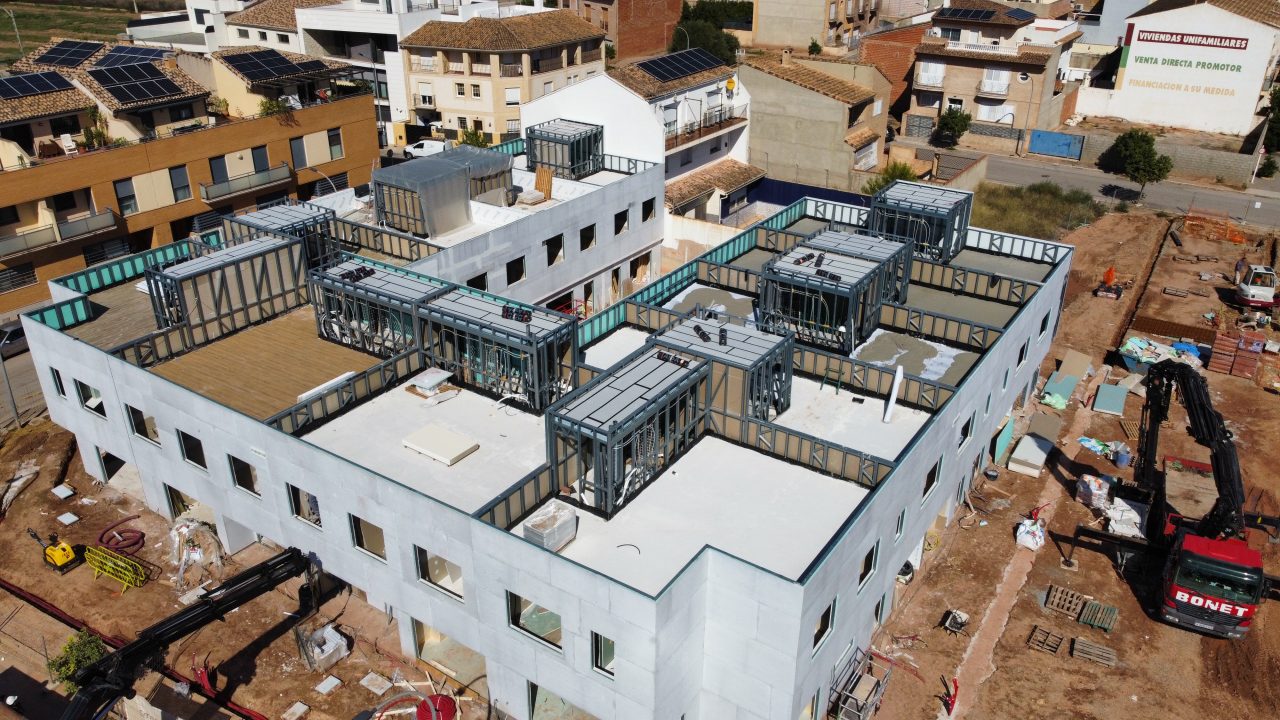
Industrialization offers significant potential for real estate development projects and hotels, reducing construction times, bringing forward the start of asset operation and improving the overall profitability of the project.
Industrialized construction in Valencia is an increasingly sought-after solution due to its ability to reduce timelines, optimize costs and improve the final quality of projects. Also known as offsite construction, it is based on manufacturing a significant part of the building in a workshop before assembling it on site.
At JSJ Arquitectos, we have experience in residential, hotel and real estate development projects, integrating industrialized systems from the early stages of design, coordination and planning.
Light Steel Frame structure
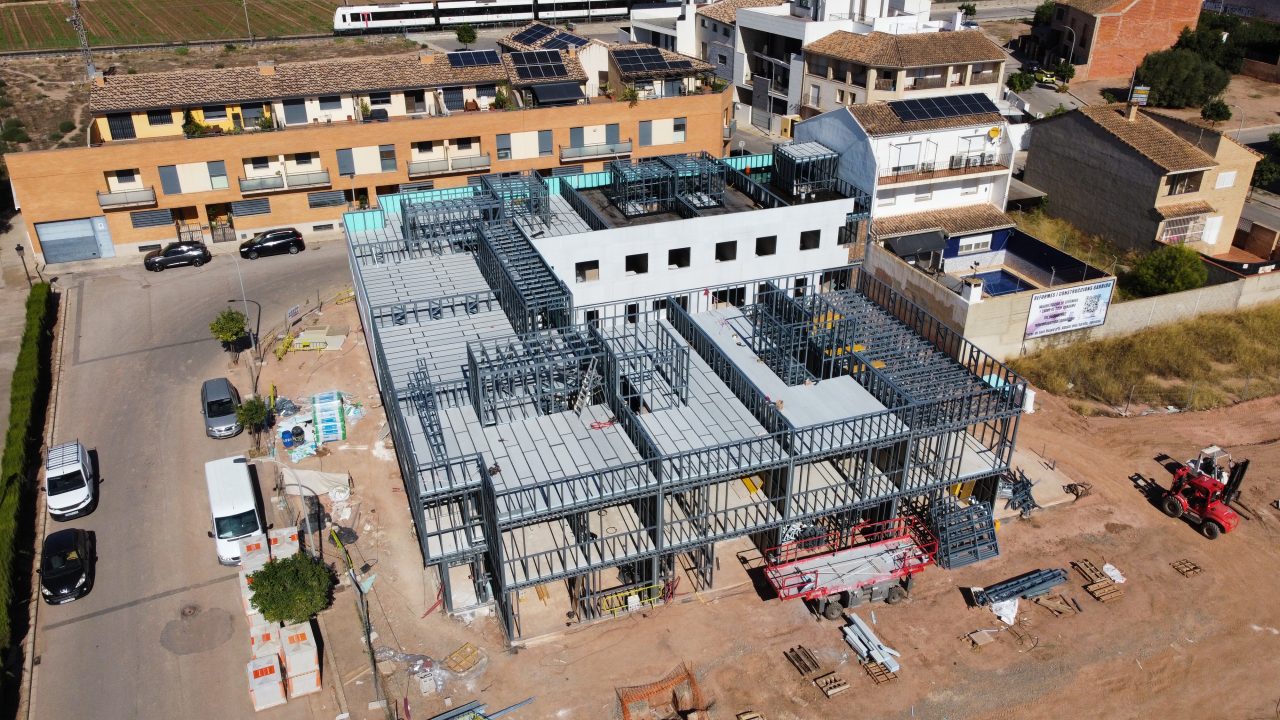
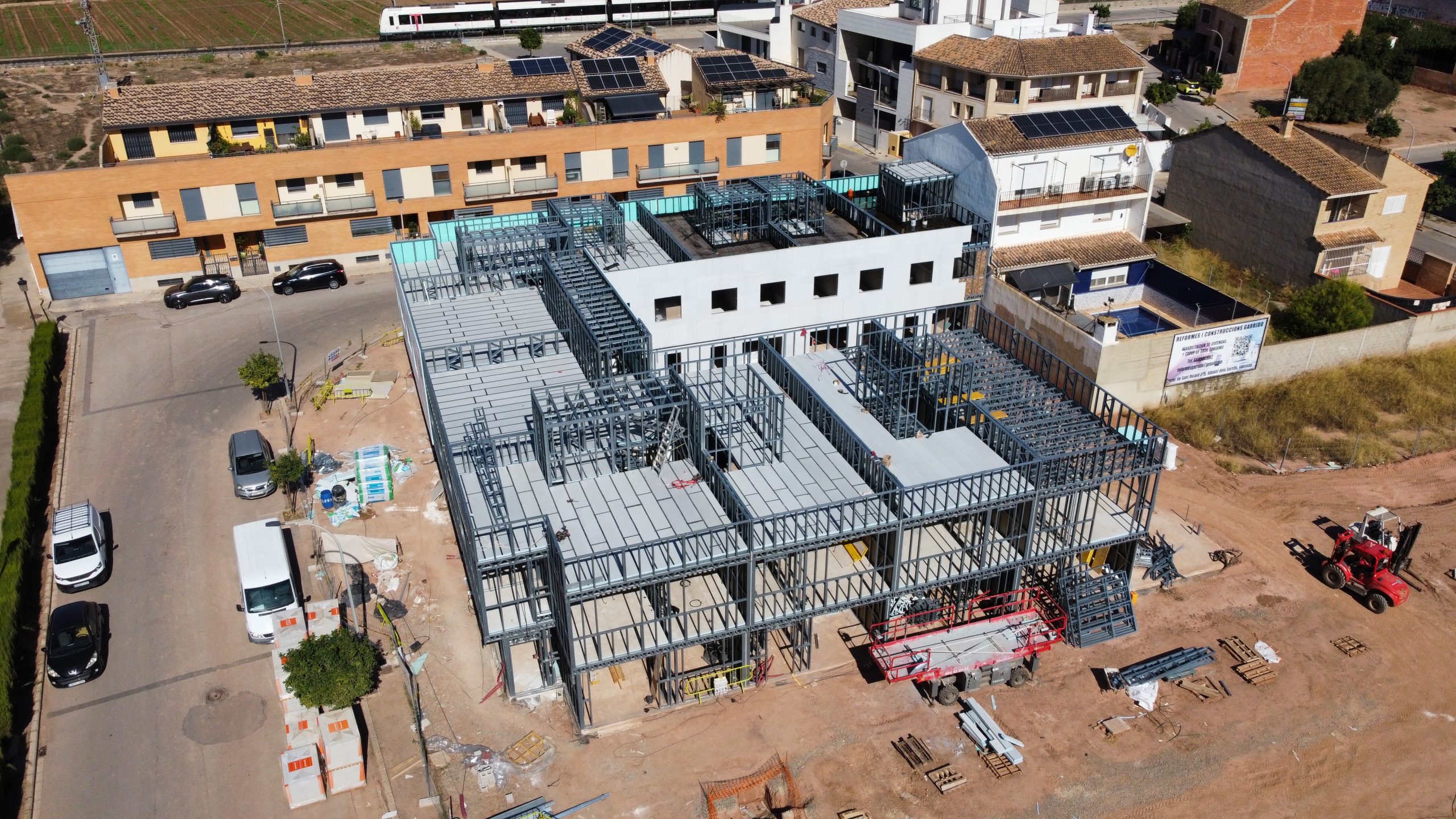
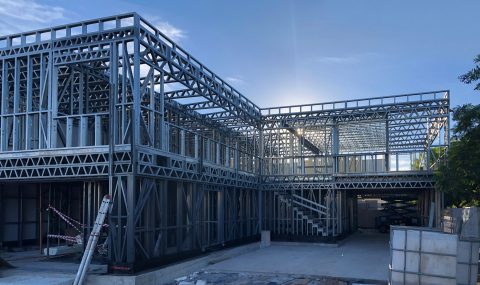
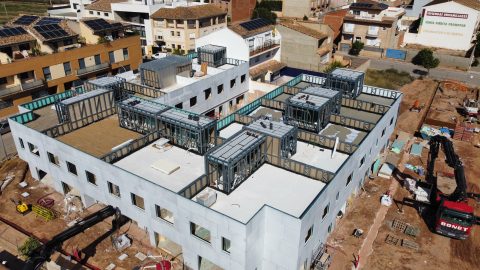
Light Gauge Steel Frame structure consists of a three-dimensional framework of galvanized steel profiles, made up of 2D panel assemblies that structurally operate as load-bearing walls. Its strength does not depend on a single massive element, but on the collaboration of multiple profiles working together.
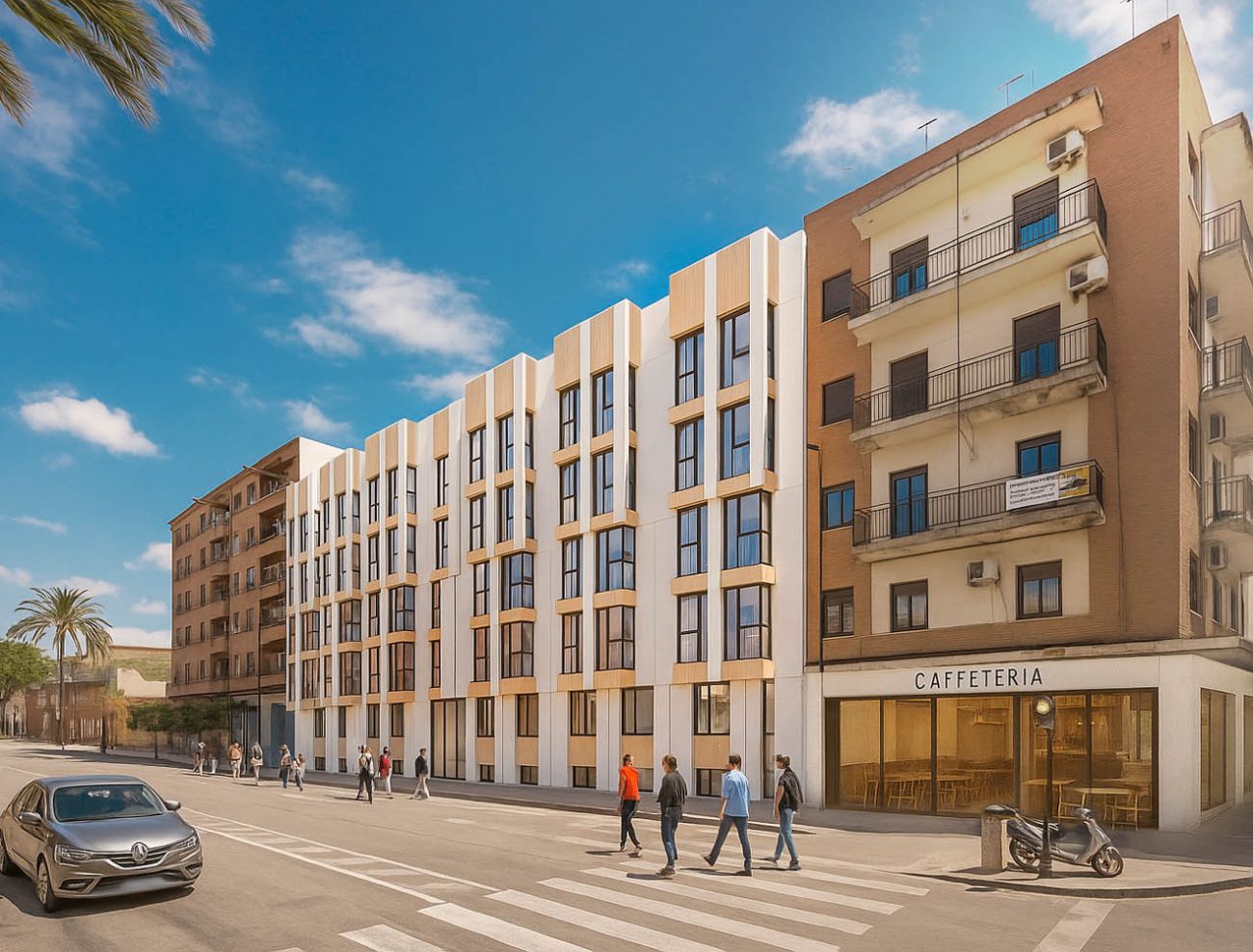
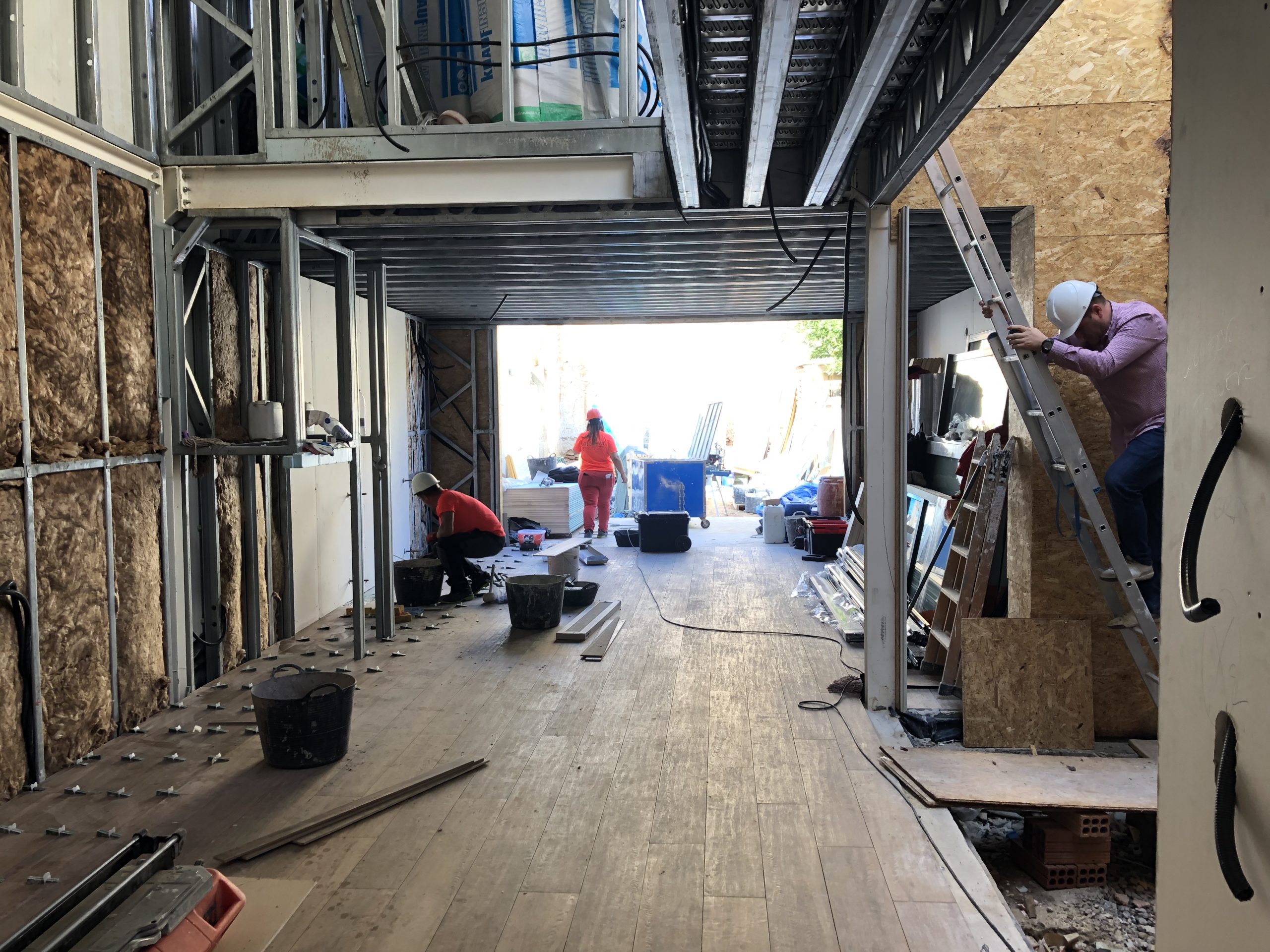
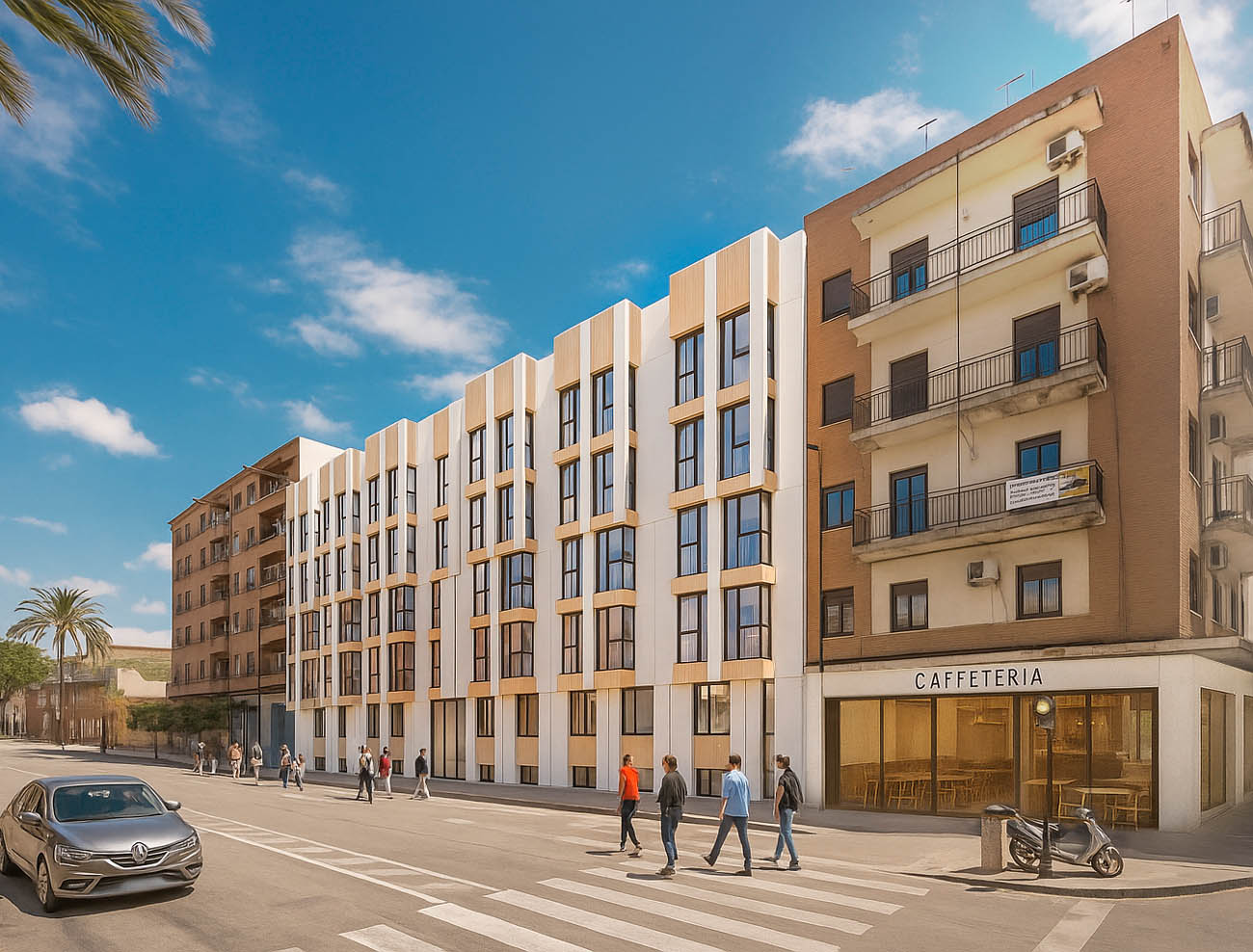
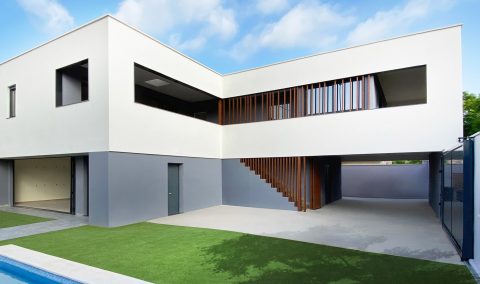
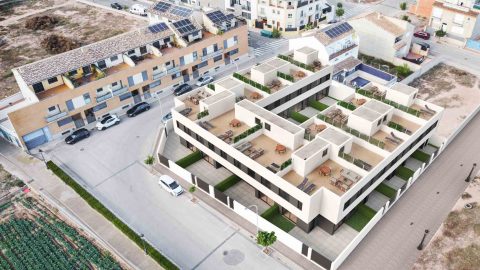
After analyzing different industrialized systems, in 2016 we opted for Steel Frame. Since then, we have developed 13 projects and a total of 105 homes using this system, in collaboration with Stalart and Remagin — Etex Group. These are some of our projects that use Steel Frame structure:
Advantages of Steel Frame
Steel Frame is not a universal solution, but it is a powerful tool when the project, timeframe and construction logic are aligned.
Faster execution and greater site control
Steel Frame reduces construction times thanks to its dry construction system and the high level of off-site fabrication of its components. Much of the work is defined in advance during the design and manufacturing stages, making the construction process more precise and orderly. In addition, this system improves control over schedules, costs and assembly processes, reducing unforeseen issues on site and the need for corrections during execution.
Precision and reduction of unforeseen issues
Galvanized steel profiles are manufactured using high-precision machinery based on the project model, enabling much more accurate execution. This improves the fit between elements, reduces assembly errors and allows for greater quality control, both in the workshop and on site. The result is a system that reduces uncertainty and limits the appearance of unexpected extra costs.
Lightness, transport and sustainability
The lightweight steel structure reduces the weight of the building compared with traditional systems and, as a dry construction method, minimizes waste, humidity and execution times. In addition, compared with three-dimensional industrialized systems, Steel Frame improves transport and logistics by taking up less space and reducing transportation costs. All of this supports a cleaner, more optimized construction process aligned with sustainability criteria.
Energy efficiency
The Steel Frame system allows high-performance thermal and acoustic insulation solutions to be integrated, making it easier to create a more efficient building envelope adapted to current requirements. When properly designed, it contributes to improving the building’s energy efficiency and indoor comfort.
FASTER EXECUTION
AND GREATER SITE CONTROL
AND GREATER SITE CONTROL
Steel Frame reduces construction times thanks to its dry construction system and the high level of off-site fabrication of its components. Much of the work is defined in advance during the design and manufacturing stages, making the construction process more precise and orderly. In addition, this system improves control over schedules, costs and assembly processes, reducing unforeseen issues on site and the need for corrections during execution.
PRECISION AND REDUCTION
OF UNFORESEEN ISSUES
OF UNFORESEEN ISSUES
Galvanized steel profiles are manufactured using high-precision machinery based on the project model, enabling much more accurate execution. This improves the fit between elements, reduces assembly errors and allows for greater quality control, both in the workshop and on site. The result is a system that reduces uncertainty and limits the appearance of unexpected extra costs.
LIGHTNESS, TRANSPORT
AND SUSTAINABILITY
AND SUSTAINABILITY
The lightweight steel structure reduces the weight of the building compared with traditional systems and, as a dry construction method, minimizes waste, humidity and execution times. In addition, compared with three-dimensional industrialized systems, Steel Frame improves transport and logistics by taking up less space and reducing transportation costs. All of this supports a cleaner, more optimized construction process aligned with sustainability criteria.
ENERGY EFFICIENCY
The Steel Frame system allows high-performance thermal and acoustic insulation solutions to be integrated, making it easier to create a more efficient building envelope adapted to current requirements. When properly designed, it contributes to improving the building’s energy efficiency and indoor comfort.
BIM methodology applied
to industrialized construction
BIM methodology — Building Information Modelling — makes it possible to manage architectural projects intelligently through the creation of a digital building model. This system improves project control at every stage, helps reduce errors, optimizes processes and makes it possible to achieve more efficient, coordinated and precise architecture in less time.
This way of working complements industrialized construction perfectly. Steel Frame profiles are manufactured using high-precision automated machinery connected to specialized software that loads the building’s BIM model and generates the information for each of the profiles that will form the structure. In practice, this makes it possible to transfer the design to the built reality with a high degree of accuracy.
Do you have a project in mind?
At JSJ Arquitectos, we analyze the feasibility of industrialized systems from the earliest stages of the project, assessing their technical, economic and regulatory suitability. If you are developing a real estate project, hotel, residence or residential building, we can help you define the most appropriate construction strategy.